If your lawn has been looking thin, tired, or slow to recover from summer, aeration might be the single most useful thing you can do for it this fall.
It's one of those maintenance tasks that doesn't get nearly as much attention as fertilizing or overseeding, but it's often the reason those things work as well as they do.
Here's what aeration actually does, why fall is the right time for it in Kansas City, and what to expect.
What Is Aeration?
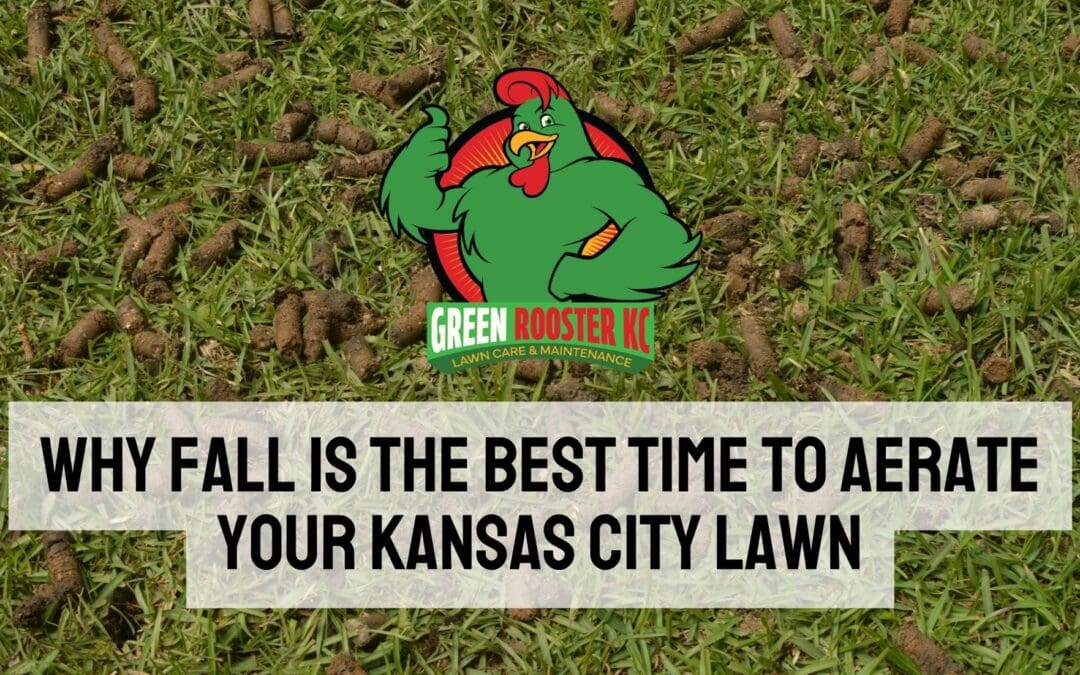
Core aeration is the process of pulling small plugs of soil out of the ground across the lawn. A core aerator uses hollow tines to extract cylinders of soil roughly half an inch wide and two to three inches deep, depositing them on the surface as it goes.
What's left behind is a lawn full of small openings that give water, air, and nutrients a direct path to the root zone. Those openings also relieve compaction, give grass roots room to expand, and create ideal conditions for new seed to make contact with the soil.
Spike aeration, which pokes holes without removing material, is a less effective alternative. It creates temporary openings but can actually increase compaction around the holes over time. Core aeration is the method worth doing.
Why Lawns Get Compacted
Kansas City yards deal with compaction from several directions at once. Clay-heavy soil, which is common throughout the metro area, compacts more easily than sandy or loamy soil and doesn't recover on its own the way lighter soils do. Add foot traffic from kids, pets, and regular yard use, and compaction builds up season after season.
Compacted soil squeezes the air pockets out of the ground. Without those pockets, water runs off instead of soaking in, fertilizer sits near the surface instead of reaching the roots, and grass roots can't penetrate deeply enough to access the moisture and nutrients they need to stay healthy through summer heat and winter cold.
The result is a lawn that looks okay on the surface but is genuinely struggling underneath.
What Aeration Fixes
Opening up compacted soil changes what the grass has access to.
Water: Instead of sheeting off the surface during heavy rain or irrigation, water moves down into the root zone where it's actually useful. Aerated lawns typically need less supplemental watering because what they get goes further.
Nutrients: Fertilizer applied after aeration reaches the roots directly rather than sitting on a compacted surface. The timing combination of aerating and then fertilizing in fall is one of the most effective things you can do for a KC lawn.
Root depth: Grass roots follow the path of least resistance. When the soil is compacted and dense, roots stay shallow. When the soil is open, roots go deeper, making the lawn more resilient to drought and temperature extremes.
Overseeding results: Seed dropped onto a compacted, thatch-covered lawn struggles to germinate because it can't make good contact with the soil. Seed dropped into freshly aerated soil falls into the holes and makes direct contact with the earth. Germination rates improve significantly.
Why Fall Is the Right Time
Timing matters for aeration, and fall gets it right for two reasons: soil conditions and grass growth cycle.
Soil conditions: After a summer of heat and traffic, KC soil is typically at its most compacted in early fall. Aerating now addresses the problem at its peak and gives the lawn the entire winter to begin recovering.
Grass growth cycle: Cool-season grasses like tall fescue, the most common lawn grass in the Kansas City area, enter their most active growth period in fall. Soil temperatures are still warm enough to support root development, but air temperatures have dropped enough to reduce stress. Aeration in this window gives the grass the best possible conditions to fill in the holes, extend its roots, and strengthen before winter.
The ideal window in Kansas City is early September through mid-October. Aerating too late in fall, after consistent freezing temperatures have arrived, reduces the benefit because the grass isn't actively growing enough to take advantage of the open soil.
What to Expect Afterward
The plugs left on the surface look a little rough for a week or two, but leave them. They break down on their own, returning organic matter and microorganisms to the soil surface. Raking them up removes that benefit.
If you're overseeding at the same time, water consistently to keep the seedbed moist until germination. New grass from fall overseeding has time to establish before winter and comes back strong in spring.
The lawn will look noticeably better by spring, and the effects of a single fall aeration can carry through the following summer.
Ready to Get on the Schedule?
Green Rooster KC handles aeration as part of our fall lawn care services across the Kansas City metro area. Fall booking fills up, so the sooner you get on the schedule the better.
Contact us for a free estimate.